
From AI Assistants to AI Agents: How Artificial Intelligence Is Learning to Take Action
AI has already changed the way we search, write, code, create images, and solve problems.
But the next stage of AI evolution is not simply about producing better answers.
It is about taking action.
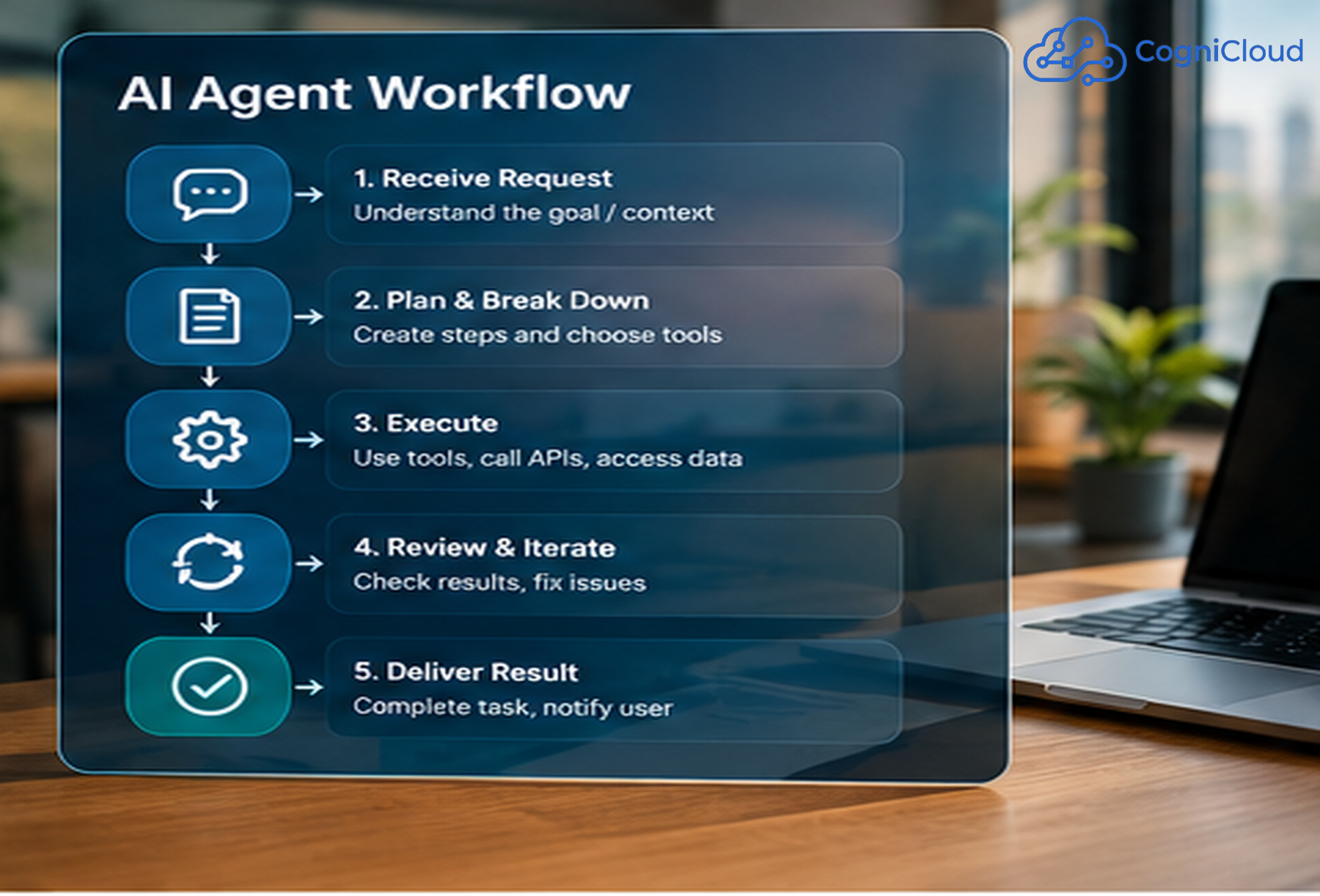
Traditional AI assistants wait for a prompt, generate a response, and stop. AI agents are being designed to go further: understand a goal, break it into steps, use tools, make decisions, observe results, and continue until the task is completed.
This shift could fundamentally change how we interact with software.
From Rules to Reasoning
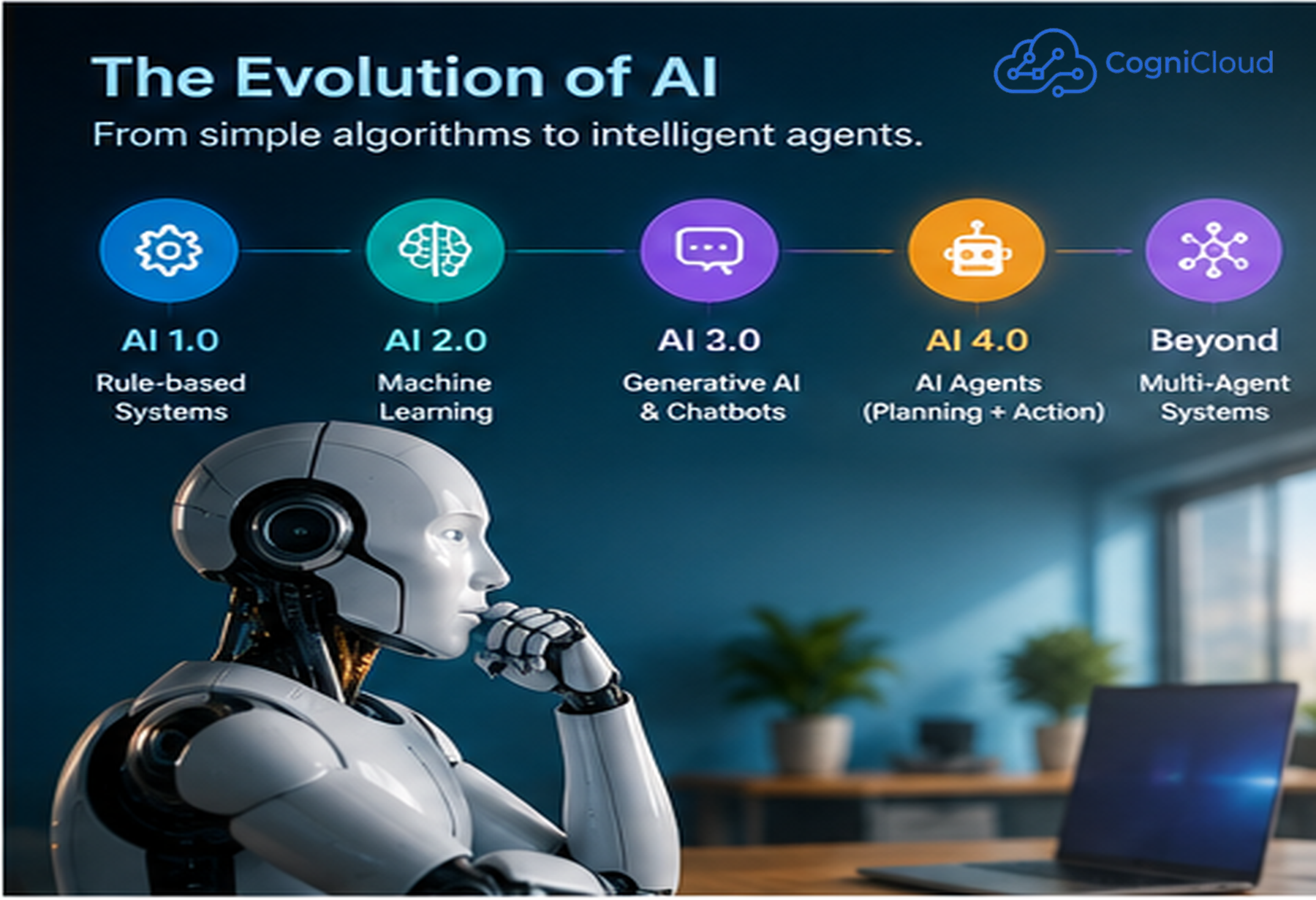
The evolution of AI can be viewed as a series of major transitions.
1. Rule-Based Systems
Early intelligent software relied heavily on predefined rules.
If something happened, the system followed a predetermined instruction.
These systems could be useful, but they struggled when situations changed or when a problem required flexibility.
2. Machine Learning
Machine learning changed the approach.
Instead of explicitly programming every rule, developers could train models using data. The systems became capable of identifying patterns and making predictions.
Recommendation engines, fraud detection, image recognition, and many other applications grew from this approach.
3. Generative AI
Large language models introduced another major shift.
AI could now generate human-like text, write code, summarize information, create images, and interact through natural language.
Instead of navigating complicated interfaces, users could simply describe what they wanted.
But there was still a limitation:
The AI generally produced an answer. The human still had to perform the next action.
4. AI Agents
AI agents push the idea one step further.
An agent can receive a goal rather than just a question.
For example:
"Find the best flight for my trip, compare the options, and prepare the itinerary."
Instead of merely explaining how to search for flights, an agent could potentially:
- Understand the requirements.
- Search available information.
- Compare alternatives.
- Apply constraints.
- Select an option.
- Use connected tools.
- Produce the final result.
The important change is not just intelligence.
It is agency.
What Makes an AI Agent Different?
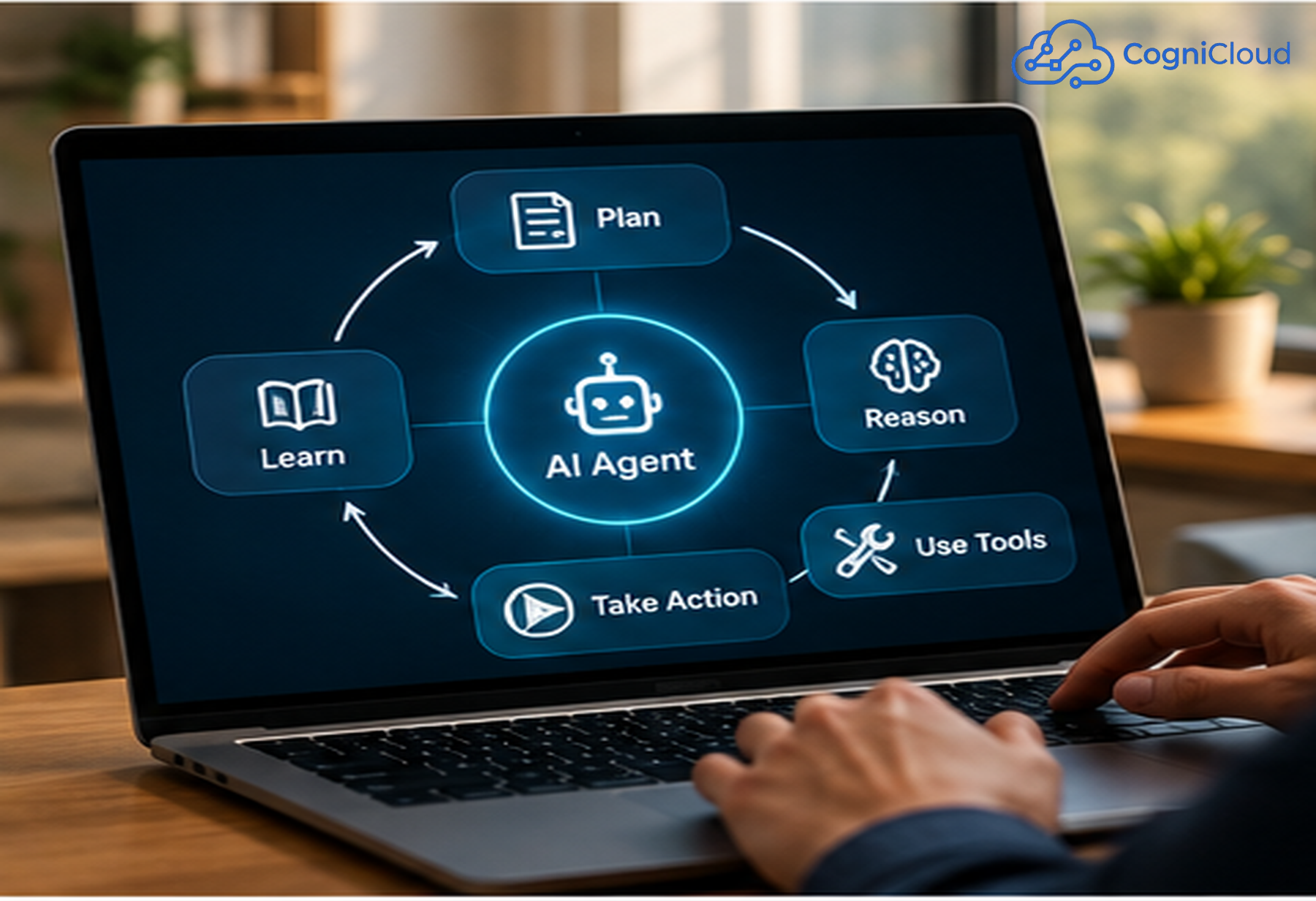
An AI agent typically combines several capabilities.
Understanding
The system interprets the user's goal and determines what needs to be accomplished.
Planning
The agent breaks a larger objective into smaller steps.
Tool Use
It can interact with external systems such as APIs, databases, search engines, browsers, code execution environments, or business applications.
Decision Making
The agent evaluates intermediate results and determines what to do next.
Memory and Context
An agent can maintain relevant information throughout a task instead of treating every interaction as completely isolated.
Feedback
After performing an action, the agent can inspect the result and adjust its next step.
This creates a loop:
Understand → Plan → Act → Observe → Adjust
That loop is one of the most important ideas behind agentic AI.
AI Agents Are Not Magic
It is tempting to think of an AI agent as a digital employee that can do anything.
Reality is more complicated.
An agent is still a software system operating within defined permissions, tools, data, and environments.
For example, an AI agent might be allowed to:
- Read a database
- Search the web
- Call an API
- Create a report
- Write code
- Send an email
But it should not automatically have unlimited access to everything.
Good agent architecture requires permissions, authentication, monitoring, validation, and human oversight.
The Architecture Behind an AI Agent
An AI agent can be thought of as several layers working together.
User
The user provides the objective.
↓
Agent / Reasoning Model
The model interprets the objective and determines the next action.
↓
Orchestrator
The orchestration layer manages the workflow and decides which tools or services should be called.
↓
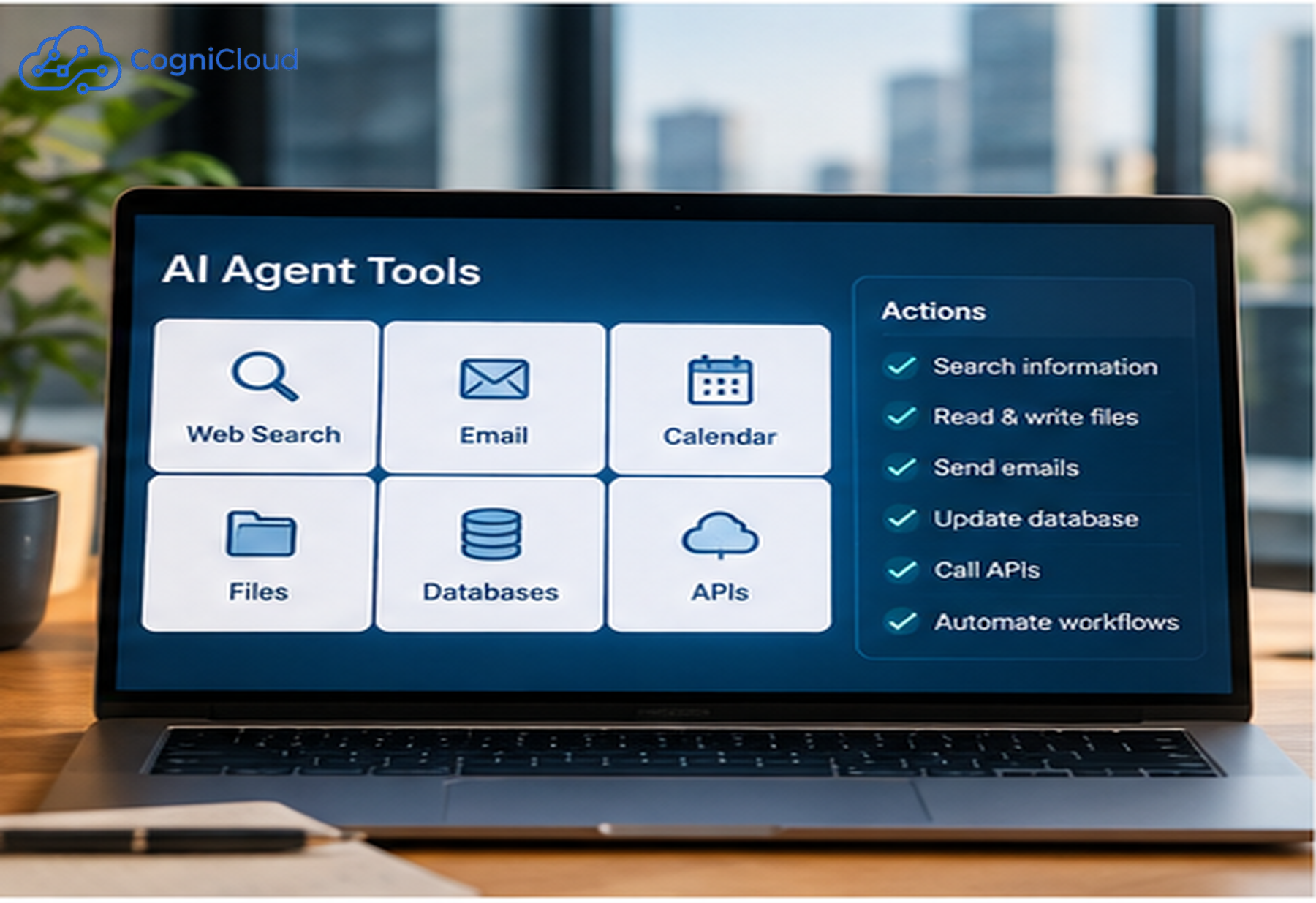
Tools
The agent interacts with external capabilities such as:
- APIs
- Search
- Databases
- Browsers
- Cloud services
- Code execution
- Business systems
↓
Results
The agent observes the results and decides whether another action is required.
This is where modern software engineering becomes extremely important.
AI agents still depend on reliable APIs, databases, authentication, queues, cloud infrastructure, observability, and security.
AI does not replace software architecture.
It makes good software architecture even more important.
Where Could AI Agents Be Used?
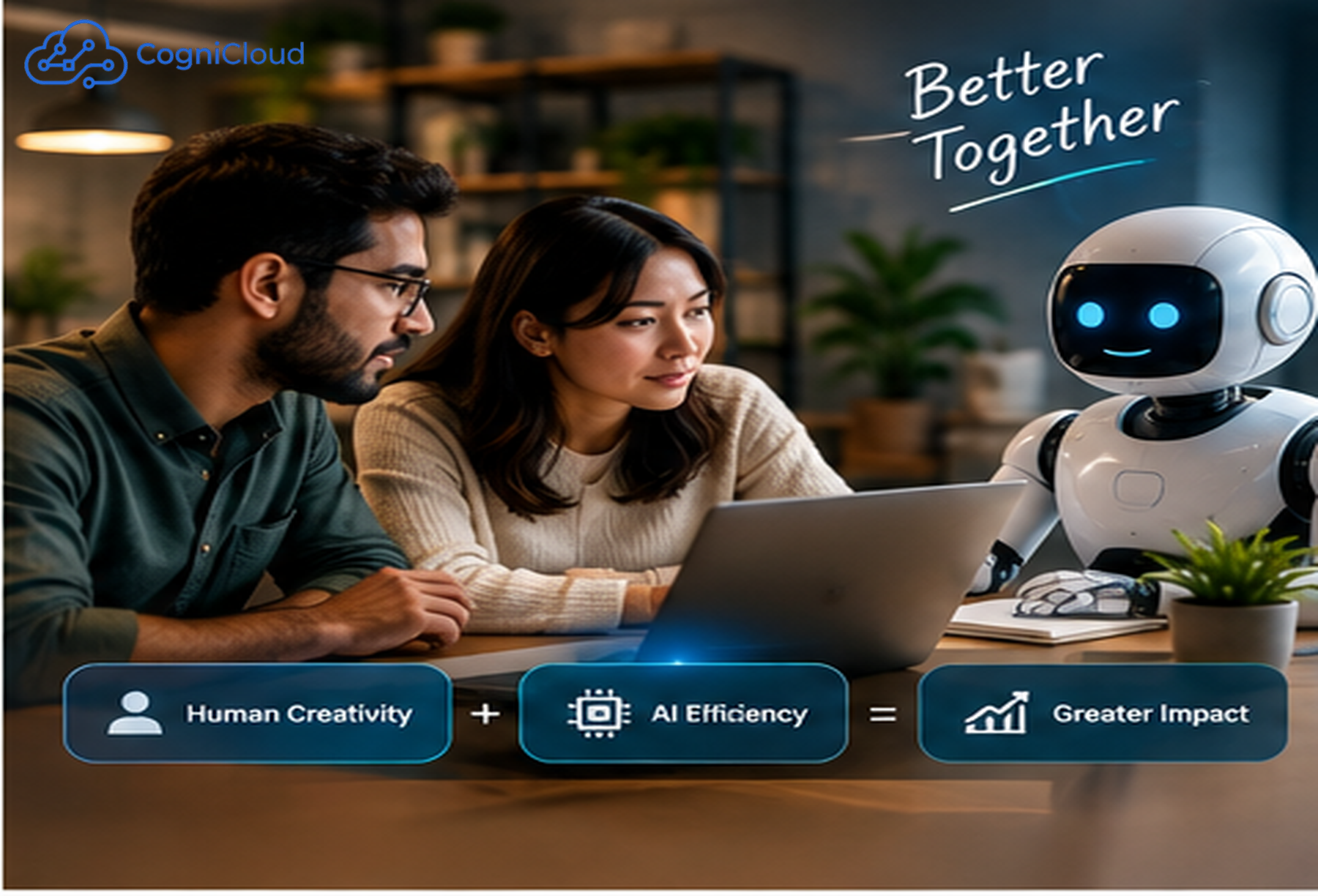
The possibilities are broad.
Software Development
An agent could inspect a codebase, identify an issue, implement a change, run tests, and prepare a pull request.
Customer Support
Instead of simply answering FAQs, an agent could investigate an account issue, check order information, interact with internal systems, and resolve a problem.
Business Operations
Agents could process documents, update systems, prepare reports, monitor workflows, and escalate exceptions.
Research
An agent could gather information from multiple sources, compare findings, organize evidence, and produce a structured report.
E-Commerce
An agent could help customers discover products, compare options, check availability, personalize recommendations, and potentially assist with an order workflow.
From Chatbots to Digital Workers
This evolution changes the way we think about software.
Traditional software often works like this:
User → Interface → Action → Result
Generative AI introduced:
User → Conversation → Answer
Agentic AI is moving toward:
User → Goal → AI → Actions → Result
The interface becomes less important.
The objective becomes more important.
Instead of learning where a particular button is located, users may increasingly tell software what they want to accomplish.
What Happens to Traditional Apps?
This does not necessarily mean that traditional applications will disappear.
Instead, their role may change.
A CRM, accounting system, e-commerce platform, project management system, or cloud platform still provides the underlying capabilities.
AI agents may become a new interaction layer on top of these systems.
For example:
"Show me which customers have not purchased anything in the last 90 days and prepare a follow-up campaign."
Today, this might require several screens, filters, exports, and manual steps.
In an agent-driven system, the user could potentially express the goal directly.
The application remains.
The way we operate it changes.
The New Challenges
The rise of AI agents also introduces serious engineering challenges.
Reliability
What happens when an agent makes the wrong decision?
Security
What happens if an agent has access to sensitive systems?
Cost
Long-running agent workflows can consume significant computing and model resources.
Hallucinations
An incorrect assumption can lead to an incorrect action rather than merely an incorrect answer.
Observability
Developers need to understand what the agent did, why it did it, and where a workflow failed.
Human Approval
Some actions should require a human before execution.
For example:
AI prepares → Human reviews → AI executes
This hybrid model may become common for high-impact operations.
The Future: Teams of AI Agents
The next evolution may not be a single agent doing everything.
Instead, specialized agents could work together.
For example:
- A research agent gathers information.
- An analysis agent evaluates it.
- A coding agent implements a solution.
- A testing agent validates the result.
- A reporting agent prepares the final output.
A coordinating agent could manage the overall workflow.
This starts to look less like a chatbot and more like a software team made of specialized AI systems.
What Does This Mean for Developers?
For developers, AI agents do not make programming irrelevant.
They change what programming looks like.
The valuable skills increasingly include:
- Designing reliable APIs
- Building secure systems
- Understanding distributed architecture
- Managing authentication and permissions
- Designing databases
- Building agent workflows
- Creating tool integrations
- Monitoring AI behavior
- Designing human approval systems
The developer may increasingly become the person who designs the environment in which AI can safely operate.
The Bigger Shift
The most important AI evolution may not be that models become better at answering questions.
It may be that they become better at turning intentions into actions.
We have moved from:
"What is the answer?"
to:
"Can you help me solve this?"
And increasingly toward:
"Here is my goal. Get it done."
That is a significant change in the relationship between humans and software.
AI assistants helped us interact with information.
AI agents could help us interact with the digital world itself.
Final Thoughts
AI evolution is moving from prediction to generation, from generation to reasoning, and from reasoning toward action.
The transition will not happen overnight, and autonomous AI will face major challenges around reliability, security, cost, and trust.
But the direction is clear.
The future of AI may not be defined only by how intelligent a model is.
It may be defined by what that intelligence is capable of doing.
And that could make AI agents one of the most important developments in software technology over the coming years.
What do you think?
Would you trust an AI agent to complete an important task on your behalf without checking every step?